What to Expect During Your Thyroid Biopsy With Dr. Parikh

A step-by-step guide from scheduling through results — so you know exactly what's coming and feel confident walking in.

The Quick Overview

A Fast, Safe, In-Office Procedure

Thyroid fine needle aspiration (FNA) biopsy is one of the most commonly performed office procedures in thyroid medicine. It's quick, minimally invasive, and requires no sedation. Most patients are surprised by how straightforward the experience is.

With Dr. Parikh, your biopsy visit is designed around your comfort and efficiency. You'll meet Dr. Parikh, review your imaging, have the procedure performed (if indicated), and leave the same day — all without needing a separate appointment.

⏱️ 45–60 min total visit 🩺 No sedation needed 🚗 Drive home same day 📅 Results in 7–14 days
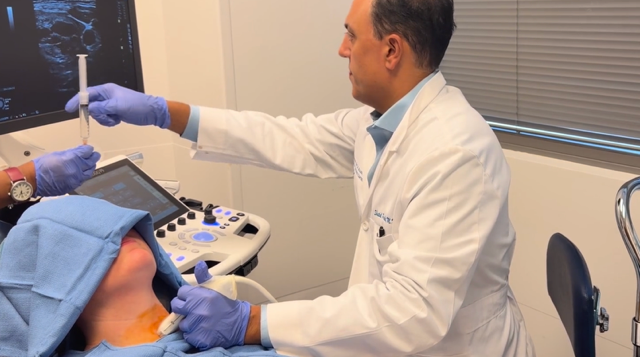
Clean, modern in-office procedure room at Northwest Thyroid Center
Step 1

Before Your Appointment: What to Prepare

What to bring:

  • Any prior thyroid ultrasound reports or images (CD or digital file)
  • Recent thyroid lab results (TSH, free T4/T3) if available
  • A complete list of current medications — especially blood thinners (warfarin, aspirin, clopidogrel, etc.)
  • Your insurance card and a valid photo ID
  • Any referral paperwork from your PCP or endocrinologist

What to wear:

  • A shirt or top with a low or loose collar — easy access to the neck area
  • No tight-fitting turtlenecks or scarves for the procedure
  • Comfortable clothing overall — you'll be lying partially reclined

Blood thinners — what to do:

A Note on Blood Thinners

Do not stop taking prescription blood thinners (warfarin, Eliquis, Xarelto, Plavix) without first speaking with your prescribing physician. Over-the-counter aspirin can typically be paused if medically appropriate, but confirm with your doctor before doing so. Please let us know about all medications when you schedule.

No fasting required:

Unlike many procedures, thyroid FNA biopsy requires no fasting. Eat and drink normally before your appointment. Take your regular morning medications as usual unless specifically instructed otherwise.

Can I bring someone?

Yes — a support person is always welcome. They can accompany you into the consultation and wait during the procedure if you prefer. You do not need someone to drive you home, but you're welcome to bring them.

Step 2

During the Procedure: What Actually Happens

Knowing exactly what to expect makes the experience significantly less stressful. Here's the procedure, minute by minute.

You're positioned comfortably

You'll lie on an exam table with your neck slightly extended. A pillow or roll is placed under your shoulders for support. Dr. Parikh explains each step before doing it.

Ultrasound locates the nodule

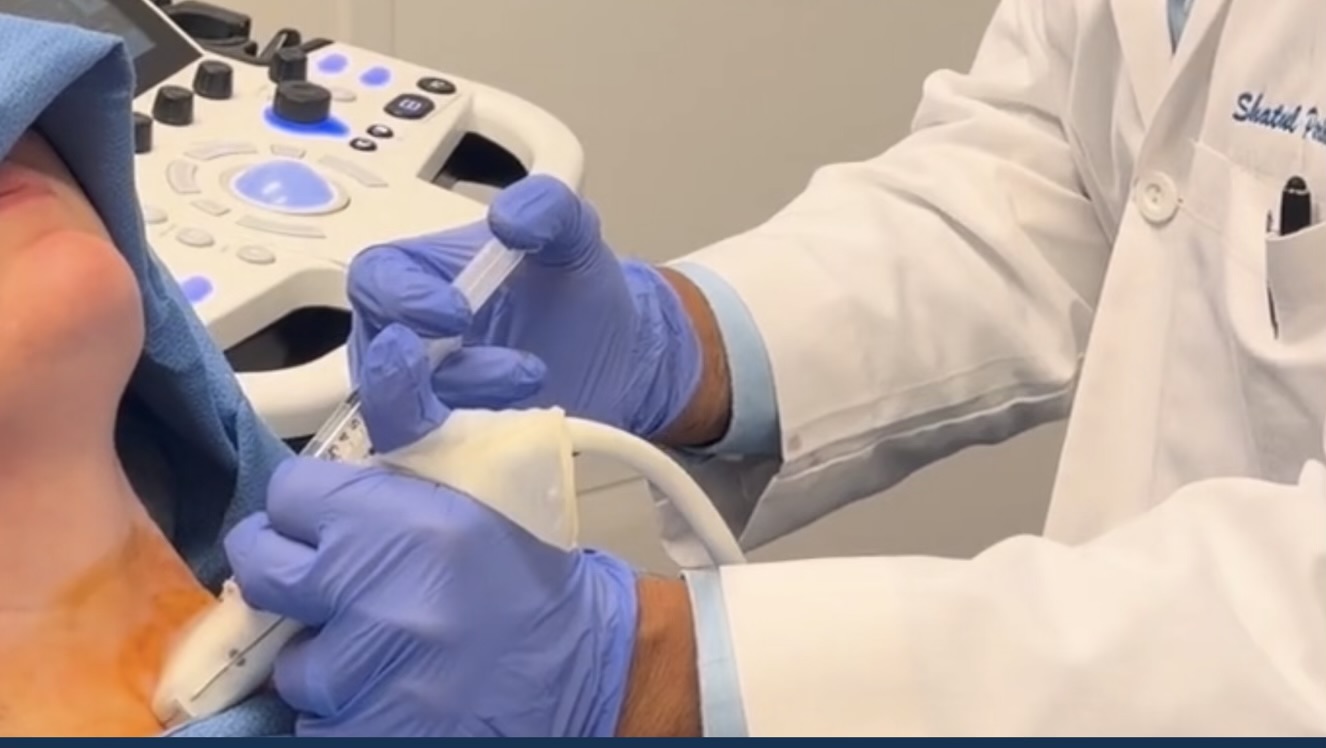
Dr. Parikh places an ultrasound probe on your neck to identify the nodule, map its location, and plan the safest needle path. This takes 2–3 minutes.

Skin is cleaned

The skin over the biopsy site is cleaned with antiseptic solution. The area may feel cool. A small amount of local anesthetic may be applied.

Needle insertion and sample collection

A very fine needle (thinner than a typical blood draw needle) is guided into the nodule under real-time ultrasound imaging. You may feel mild pressure or a brief sharp sensation. The entire pass takes 15–30 seconds.

Multiple passes as needed

Typically 2–4 passes are made to collect an adequate sample. Between passes, Dr. Parikh checks image quality and confirms positioning. Most patients find this the most manageable part.

Pressure applied, procedure complete

Gentle pressure is held on the site for a few minutes to minimize bruising. A small bandage is applied. You're done — typically within 15 minutes of starting.

Dr. Parikh performing ultrasound-guided thyroid nodule biopsy

Does it hurt?

Most patients describe mild discomfort — pressure and a brief pinch during each pass. Pain is typically rated 1–3 out of 10. Many patients are surprised by how tolerable it is. The anticipation is usually worse than the procedure itself.

Step 3

After Your Biopsy: Recovery and What's Normal

Normal After a Biopsy

  • Mild soreness or tenderness at the biopsy site
  • Small bruise under the skin (may appear 24–48h later)
  • Minor swelling at the site
  • Feeling of mild stiffness when turning your head
  • All of the above typically resolve within 2–5 days

What You Can Do Right Away

  • Drive yourself home
  • Return to work (if desk/low-activity)
  • Eat and drink normally
  • Take over-the-counter acetaminophen for discomfort
  • Take a shower (avoid submerging the biopsy site for 24h)

When to Call Us

  • !Rapidly increasing swelling at the site
  • !Difficulty breathing or swallowing
  • !Significant bleeding from the biopsy site
  • !Fever over 101°F within 48 hours
  • !Severe or worsening pain not controlled by acetaminophen

Call (770) 282-9353 or go to the ER if symptoms are severe.

Step 4

Your Results — What They Mean and What Happens Next

Thyroid biopsy results are reported using the Bethesda System — a standardized six-category classification that helps determine the appropriate next step.

Bethesda Category Meaning Typical Next Step
I — Non-diagnostic Insufficient cells for diagnosis Repeat biopsy
II — Benign No concerning features Surveillance ultrasound
III — AUS/FLUS Some atypical cells, uncertain Molecular testing or repeat
IV — Follicular Neoplasm Possible follicular tumor Molecular testing or surgery
V — Suspicious for Malignancy High concern for cancer Surgery typically recommended
VI — Malignant Consistent with thyroid cancer Surgery with staging workup

Dr. Parikh Calls You Personally

You will not receive results via a patient portal with no context. Dr. Parikh contacts you directly to walk through your results, what the Bethesda category means for your clinical situation, and what your options are going forward.

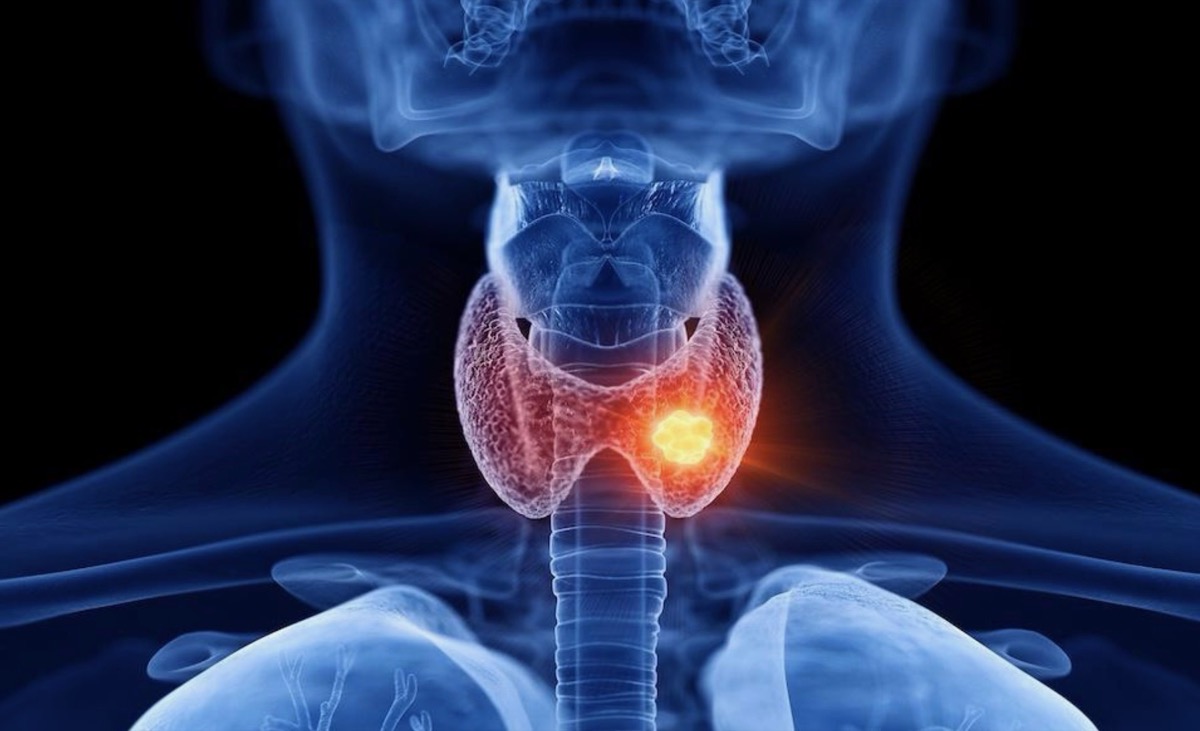
3D illustration of thyroid nodule

Results Timeline

Cytology results are typically returned within 7–14 days of your biopsy. Dr. Parikh will reach out to you as soon as they are available. If molecular testing (e.g., ThyroSeq, Afirma) is ordered, allow additional time per the lab's reported turnaround.

Schedule or Ask a Question Online
After Your Results

Regardless of Your Result, You Have a Knowledgeable Physician in Your Corner

Unlike a radiologist who ends their involvement when you walk out the door, Dr. Parikh is with you through the entire journey.

Benign Result

Most thyroid nodule biopsies come back benign. Dr. Parikh will advise you on the appropriate surveillance schedule — typically a follow-up ultrasound in 12–24 months — and what changes would warrant re-evaluation.

Indeterminate Result

For Bethesda III or IV, Dr. Parikh will discuss molecular testing options (ThyroSeq, Afirma Gene Expression Classifier) that can often clarify cancer risk and help avoid unnecessary surgery.

Concerning Result

If your result is suspicious or malignant, Dr. Parikh walks you through the surgical options directly — no new referral required. He is already your thyroid surgeon and will guide you from diagnosis through treatment.

Have questions about your upcoming or recent biopsy? Our team is here to help.

Schedule Online Schedule Online

Ready to Schedule Your Thyroid Biopsy?

Book online in minutes. Same-day consultation and biopsy available at our Atlanta and Marietta offices.

Schedule Now (770) 282-9353